
The $15,000 Question: Why the World’s Copper Mines Can't Keep Up
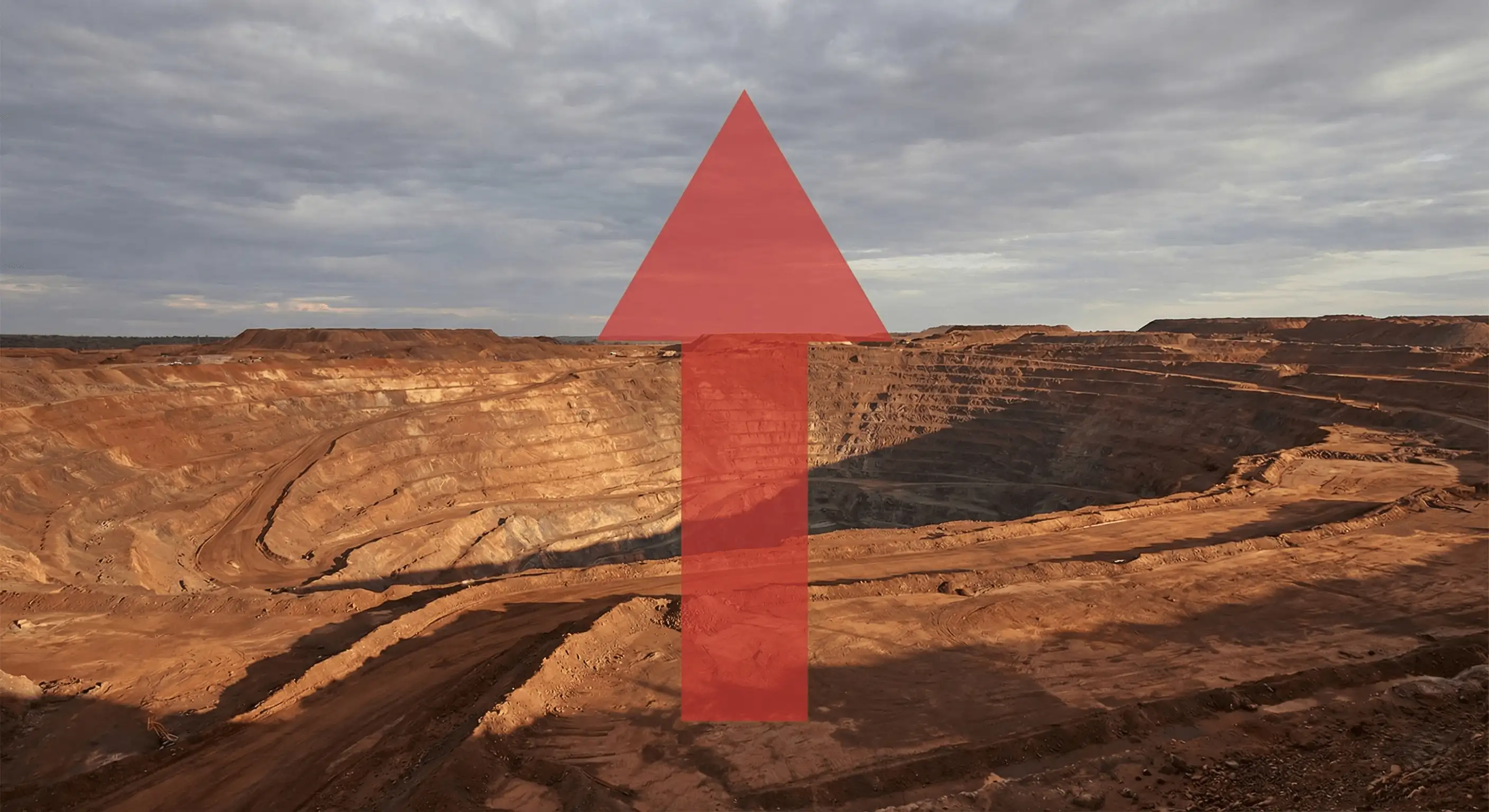
In commodities, price is usually dictated by a simple tug of war between supply and demand. Right now, in the copper market, demand is pulling hard, and the supply rope is about to snap.
Major financial institutions are waking up to this reality. UBS recently raised its outlook, predicting copper prices hitting $12,000 to $13,000 per tonne by late 2026. Other analysts believe $15,000 is not out of the question. Why such bullish forecasts?
It’s called the "Supply Cliff."
The Problem with Old Mines
The world’s largest copper mines the giants in Chile and Peru that have supplied the global economy for decades are aging. They are facing declining ore grades, meaning they have to dig up more rock just to get the same amount of copper. They are running harder just to stand still.
The Lag Time Reality
Many investors assume that if the price of copper rises, miners will simply open new mines. It’s not that simple. Discovering a deposit, defining the resource, permitting it, financing it, and building the infrastructure takes, on average, 10 to 15 years.
Wood Mackenzie recently noted that to meet projected demand, the sector would need to commission new operations at roughly double the pace seen ten years ago. That is currently a statistical impossibility. Even if copper hit $20,000 tomorrow, new supply wouldn't hit the market until the mid 2030s.
The Investment Opportunity
This 10 year lag time is the window of opportunity for investors. The market is desperately seeking companies that already have advanced stage copper projects today.
This is why we are closely watching companies that are transitioning from "greenfield" exploration to "brownfield" resource building. Kodiak Copper Corp. (OTCQX: KDKCF), with its recent Mineral Resource Estimate on its MPD project, is exactly the type of advanced asset that major producers will need to acquire to fill their own supply pipelines as the squeeze intensifies.